What happens during a Passover Seder? From the food on the Seder plate and the traditional holiday menu to the order of events, here's what to expect.

Passover Seder: The Ultimate Guide


Updated on Feb. 02, 2025
If you’ve never been to a Passover Seder before, it can be hard to know how to prepare. This ritual meal is the centerpiece of the Jewish holiday of Passover, which marks the Jewish people’s exodus from Egypt in ancient times.
Whether you’re attending a Passover Seder as a guest or hosting your inaugural Seder, this guide will help orient you to the Jewish foods, symbols and rituals that are part of the spring holiday.
On This Page
What is a Passover Seder?
The Hebrew word Seder means “order.” The ceremony takes place at a table and involves traditions that represent different aspects of the Passover story. A typical Seder includes songs, readings in Hebrew and English, and rituals relating to the Seder plate. Then there’s a traditional Seder dinner, followed by more prayers and other activities.
However, not all Seders are alike. Some are more formal and organized, while others are laid-back. Every family’s Passover traditions vary, especially in different countries around the world. The dress code will also depend on the type of Seder you’re attending. If you’ll be a guest, check with your host to see if you should dress up.
In 2025, Passover starts on April 12 and runs through April 20. The Seder is generally held on the first night, but some families hold Seders on both the first and second nights.
The traditional Hebrew Passover greeting is chag sameach, which means “happy holiday!”
The Passover Seder Plate

The Seder plate is a key component of the Passover celebration. It has five or six (depending on the host’s custom) ceremonial foods that represent different themes in the Passover story.
Some families have one decorative Seder plate in the center of the table as well as individual Seder plates at each place setting. This is especially helpful for large Seders because it allows each participant to partake in the Seder plate items without having to pass the large plate around.
1. Zeroa (shankbone)
The shankbone represents the lamb that ancient Jews sacrificed at the temple in ancient Jerusalem.
2. Beitzah (egg)
The egg represents the pre-holiday offering (the festival sacrifice) traditionally brought into the temple. Many families use a hard-boiled egg that you can eat during the Seder. Some people also say the roundness of the egg represents the circle of life.
3. Charoset (fruit and nut paste)

This sweet mixture represents the bricks and mortar that the Jews used to build structures for the pharaoh when they were slaves in Egypt. There are many variations of charoset around the word. Our charoset recipe contains apples, nuts, wine and cinnamon.
4. Maror (bitter herbs)
Maror, or bitter herbs, is a reminder of the bitterness of slavery. You can use various vegetables as maror, but many people use horseradish or romaine lettuce. Some families use both.
At a certain point in the Seder, you dip the maror in the charoset and eat it. Later, you eat maror sandwiched between two small pieces of matzo.
5. Karpas (vegetable)
The karpas is a green vegetable that represents hope and rebirth. Many people use parsley, but you can use other greens.
It’s customary to serve the karpas alongside a small bowl of salt water. During the Seder, you dip the karpas into the salt water to remember the Jewish people’s tears when they were slaves in Egypt.
In addition to these traditional items, some families place an orange on the Seder plate to represent gender equality or an olive (calling to mind an olive branch) to symbolize peace.
The 15 Steps of a Passover Seder
Avoid showing up to a Seder with a completely empty stomach. There will be a big meal later on, but the before-dinner rituals can take some time (and a few of them involve drinking wine!).
Each step of a Passover Seder has a Hebrew name. People spend varying amounts of time on each step, depending on their traditions.
Risa Lichtman, a Jewish chef and writer, shares the steps of the Passover Seder as followed by her family:
Step 1: Kadesh (blessing the wine)
As with many Jewish rituals, the first step to the Seder is saying a blessing over the wine. This is the first of four glasses of wine in the Passover Seder.
Step 2: Urchatz (washing the hands)
This initial ritual washing of the hands is almost a pre-washing, and is done without the usual blessing.
Step 3: Karpas (eating the green vegetable)
Here we say a blessing over the vegetables, then eat a green vegetable—such as parsley or leafy greens—dipped in salt water. The salt water represents the tears of the Jewish people during their years of enslavement in Egypt.
Step 4: Yachatz (breaking the middle matzo)

Matzo, a type of unleavened bread, is one of the central Passover foods. According to the traditional Passover story, it’s flat and unleavened because the Jewish people didn’t have enough time to let their bread rise before escaping from Egypt.
The three covered pieces of matzo on the Passover table represent the three groups of Jews: Israelites, Levites and Priests. The leader of the Seder takes the middle of three matzos from the table and breaks it in into two pieces. The larger piece is wrapped in a cloth and set aside for the leader to later hide as the afikomen.
Step 5: Maggid (telling the story)
This long section includes telling the Passover story, drinking the second glass of wine, asking the Four Questions, talking about the 10 plagues and singing everyone’s favorite Passover song, “Dayenu.”
Step 6: Rachtzah (washing the hands)
This second ritual hand-washing is the more official washing, in preparation for the main meal. For this hand-washing, the traditional blessing is recited.
Step 7: Motzi (blessing the bread)
The traditional blessing over bread is said, as well as a second blessing specific to matzo.
Step 8: Matzah (eating the matzo)

Then you have a bite of matzo, the first Passover Seder food!
Step 9: Maror (eating the bitter herbs)
We eat bitter herbs as a reminder of the harsh and bitter years of enslavement we endured in Egypt. Usually the bitter herb is a horseradish spread that you eat on a piece of matzo.
Step 10: Korech (making the Hillel sandwich)
Add charoset to your horseradish and matzo sandwich, and you’ll get the Hillel sandwich. The sweet of the charoset balances out the bitter of the horseradish.
Step 11: Shulchan orech (eating dinner)
Finally, it’s time for dinner. My family generally starts with a hard-boiled egg dipped in salt water, followed by traditional Passover recipes like matzo ball soup and brisket.
Step 12: Tzafun (eating the afikomen)
This is a favorite part of the Seder, when the children look for the hidden piece of matzo, called the afikomen. Whoever finds it wins a prize, then everyone eats a bite of the afikomen as the very last bite of the meal.
Step 13: Barech (saying a blessing after the meal)

The traditional grace after meals is said and the third glass of wine is consumed. This is also where we open the door for Elijah, leaving a glass of wine for him and a glass of water for Miriam.
Step 14: Hallel (singing songs of praise)
The door is closed and the Passover songs are sung.
Step 15: Nirtzah (concluding the Seder)
This is the conclusion of the Seder. Some families end the Seder by saying “Next year in Jerusalem.”
Other Seder Traditions

While the Seder plate and matzo are two of the most well-known Passover traditions, there are other elements of a traditional Seder:
- Haggadah: This is the Passover text that’s read aloud during the Seder. There are multiple versions of it, and some families create their own.
- Wine: Traditionally, the Seder involves drinking four cups of kosher wine. You’ll also see a cup of wine set out for the prophet Elijah, who is said to visit every Jewish home on Passover.
- 10 plagues: Part of the Seder ritual involves remembering the 10 plagues that forced the Egyptian pharaoh to free the Jews from slavery. Some families use games or Passover decorations and props to represent the plagues, which include frogs and locusts. It’s customary to spill 10 drops of wine into the salt water or onto your plate to represent each plague.
These are just some Passover traditions—the Seder is full of them! Every family has its own customs, and there are different Passover traditions around the world.
The Passover Seder Meal

The food at your Seder will vary depending on whether your host adheres to the general kosher cooking rules as well as the extra set of kosher for Passover restrictions. If your host asks you to bring a dish, ask about dietary guidelines.
Passover starters and sides

It’s common to begin the Seder meal with matzo ball soup, gefilte fish and maybe a salad. Some people top their soup with farfel, or crushed matzo.
Alongside the main course, there will likely be vegetables as well as matzo recipes like Passover popovers or one of these other Passover side dishes.
Since Passover dietary rules restrict most grains, you won’t see bread or pasta. Historically, Sephardic Jews would eat rice and legumes on Passover while Ashkenazi Jews did not, though that has changed in recent years.
Passover main courses

When it comes to the entree, it’s completely up to the host. You may see Jewish-style brisket, Passover chicken recipes, lamb recipes, fish or vegetarian dishes.
Passover desserts

Kosher treats like macaroons, flourless chocolate cake and chocolate-covered matzo commonly close out the traditional Passover meal. If you need inspiration, check out our Passover dessert recipes.
Must-Try Passover Recipes
Passover Brisket
It doesn't get more traditional than Passover brisket. Making a gigantic brisket might seem intimidating, but it's the easiest way to feed a large crowd. If you have time, make the brisket a day or two ahead of time and let it cool completely in the refrigerator. Cold brisket is much easier to slice than hot brisket.

Red Roasted PotatoesThis roasted red potatoes recipe is both easy to make and elegant, plus it's the ideal accompaniment for just about any main course. The aroma and flavors of garlic and rosemary are warm and comforting, and delicious any time of the year. The entire dish takes just 30 minutes to make, including the prep time. Are you hungry yet?
Simple herb-roasted potatoes are a welcome addition to any Passover meal, especially when served alongside brisket and jus! The rosemary gives these potatoes a distinct fragrant taste, and the whole dish comes together in under a half hour.

Jewish Chocolate Chip Mandel BreadYou don't have to know a lick of Yiddish to love mandel bread, the twice-baked Jewish treat. If you like chocolate chip biscotti, you'll love this recipe.
Mandel bread can be made kosher for Passover by substituting matzo meal for the flour. This biscotti-like crispy cookie can be enjoyed with some coffee at the end of the Seder or throughout the week when you're in the mood for a treat. They stay good for two weeks, so no need to worry about them going stale.
Baked Balsamic ChickenAs far as roast chicken ideas go, this baked balsamic chicken recipe is one of our favorites. When the aroma from this dish fills your house, your family will think you spent all day cooking. But this elegant Sunday-special roast chicken, flavored with rosemary, wine and balsamic vinegar, is surprisingly simple to make. —Tracy Tylkowski, Omaha, Nebraska
This roast chicken is a nice change of pace from the classic Passover brisket. The balsamic vinegar adds a savory sweetness to the chicken and helps the skin reach a deep brown color, making it look as good as it tastes.

Roasted Carrots with ThymeThese roasted carrots are so simple but always a hit. Cutting the carrots lengthwise makes this dish look extra pretty.—Deirdre Cox, Kansas City, Missouri
These carrots are sliced lengthwise, then roasted in honey and thyme to make a beautiful vegetarian side dish. They pair well with Passover favorites like matzo ball soup and chicken or brisket. Make them ahead to free up some oven space for a busy Seder night, then serve them room temperature or give them a quick reheat before serving.

Matzo Ball SoupNothing is quite as comforting as a bowl of homemade matzo ball soup, and we've got the perfect recipe.
Passover Seder wouldn't be the same without matzo ball soup! To simplify your day-of prep, you can make the soup ahead of time and pre-mix, shape and store the matzo balls in the refrigerator. From there, heat up the soup and cook the matzo balls just before serving.
(Psst: the secret to making matzo balls as good as your bubbe's is a splash of seltzer water in the batter.)
Passover Rainbow CookiesFor a classic New York treat, bake up a batch of these layered rainbow cookies from cookbook author Shannon Sarna. She uses matzo cake meal and almond flour to make a kosher for Passover version of the colorful cookie.
These gorgeous layered cookies are made with almond flour and matzo meal, so they adhere to kosher for Passover rules. Feel free to change up the color of each layer by using different types of food coloring.
Gefilte Fish
Translated from Yiddish, gefilte fish means "stuffed fish." While recipes vary, it's generally made with a combination of fatty fish, lean fish and vegetables, with matzo meal and egg as a binder. It's important to let the fish balls cool down after cooking them, as they're traditionally served cold. Try the gefilte fish with a dollop of maror.

Apple Cake for PassoverAdding a dollop of whipped cream is a sweet addition to this Passover apple cake! —Taste of Home Test Kitchen, Milwaukee, Wisconsin
This cake is made with potato starch and matzo cake meal instead of flour, so it's kosher for Passover. You should be able to find the finely ground matzo cake meal at the grocery store. If not, measure an extra 2 tablespoons of matzo meal for every cup and pulse it in a food processor until it resembles all-purpose flour.

Matzo Meal Pancakes
Serve a short stack of matzo meal pancakes with jam or fresh fruit—or top them with butter, syrup and whipped cream.

Roast ChickenHave a hankering for roast chicken? The Taste of Home Test Kitchen has tips on how to roast a chicken perfectly every time.
Passover RollsWe use these traditional eggy Passover rolls to make sandwiches throughout the week. But they can also be served as rolls with dinner. —Myrna Lief, Burlington, Massachusetts
This is one of those Passover recipes that can be used all week long, so don't be afraid make these matzo meal rolls a few times over the holiday. Serve them at dinner with a pat of butter (or nondairy butter) or enjoy them as sandwich bread. They're particularly good for breakfast with cream cheese and lox.

Roasted RadishesThese radiant roasted radishes are a quick and easy side dish, yet elegant and eye-catching on the table.
Roasted radishes are great with any holiday dinner, but they pair especially well with brisket or roast chicken for Passover. Instead of using the olive oil called for in the recipe, try swapping in schmaltz for an extra flavor boost.
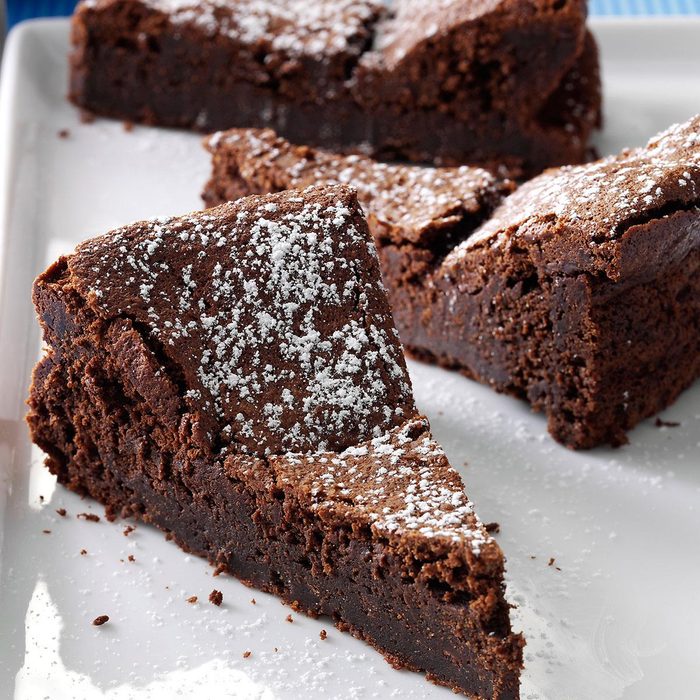
Flourless Chocolate TorteFlourless chocolate torte is the perfect dessert for chocoholics—no flour gets in the way of the rich chocolate flavor. Bake this melt-in-your-mouth torte for special occasions or any time a craving hits. For an elegant finish, dust it with confectioners' sugar.
Flourless chocolate cake is a classic Passover dessert. You don't have to make any substitutions since it's inherently kosher for Passover. Plus, it's a great recipe to have under your belt for when you need to make a gluten-free dessert, whether it's Passover or not.
TzimmesIf it's a Jewish holiday, you can bet there will be tzimmes on the table! The Jewish root vegetable dish is sweet but not overly so, making it the perfect side dish.
This Jewish stew is rich in color and flavor, and it's a classic accompaniment to Passover or Rosh Hashanah. Between the sweet potatoes, carrots, dried plums, orange juice, honey and brown sugar, this dish is sweet enough that you won't need to serve dessert (but that doesn't mean you can't!).
Matzo PizzaMatzo crackers make a super easy pizza crust when you are short on time. Serve this for lunch or a light dinner with a salad on busy weeknights. Instead of tomato sauce, you could also use pizza sauce, marinara sauce or crushed tomatoes. —Taste of Home Test Kitchen, Milwaukee, Wisconsin
Look for mozzarella cheese that's labeled "kosher for Passover." You can add vegetables like bell peppers or onions to this pizza, but if you're keeping kosher, avoid adding any type of meat as a topping since this pizza has dairy.

Roasted Herb & Lemon CauliflowerA standout cauliflower side is easy to prepare with just a few ingredients. Crushed red pepper flakes add a touch of heat. —Susan Hein, Burlington, Wisconsin
Roasted cauliflower is one of our favorite vegetable side dishes because it's easy to make and it can be seasoned in any way to complement your main dish. When using ground spices, remember to look for spices that are specifically certified kosher for Passover.

Lemon Herb QuinoaMy family is turning to quinoa more and more these days. It's a super grain that's packed with protein and vitamins. Plus, it can be paired with any kind of main course. —Jenn Tidwell, Fair Oaks, California
Leavened grains (wheat, spelt, oats, barley and rye) are a no-go for Passover, but quinoa is generally accepted for Seder dinner. Though it looks similar to couscous, quinoa is a seed that's a member of the same family as chard and beets.

Coconut MacaroonsThese crunchy, golden and chewy coconut macaroons are ideal for their simplicity and texture, and you can have this treat on the table in 30 minutes or less.
Garlic and Artichoke Roasted PotatoesI like to put this side into the oven to roast with the main dish. The artichokes give it a gourmet appeal. —Marie Rizzio, Interlochen, Michigan
Artichokes come into season right around the start of Passover, and they make a wonderful accompaniment to your favorite Passover potato recipe. If you can't find fresh artichokes, don't worry; frozen artichoke hearts work just fine.

Ribbon Salad with Orange VinaigretteZucchini, cucumbers and carrots are peeled into “ribbons” for this citrusy salad. We like to serve it for parties and special occasions. —Nancy Heishman, Las Vegas, Nevada
This salad is elegant in its presentation but simple in flavor, featuring light and crisp vegetables dressed in a bright vinaigrette. Use a vegetable peeler to transform the carrots, cucumber and zucchini into elegant ribbons that elevate this salad to a holiday-worthy side dish.

Savory Rubbed Roast ChickenIn general, procedures for roasting meat apply to poultry, too. For this dry chicken rub recipe, a blend of paprika, onion powder, garlic powder and cayenne go on the skin and inside the cavity for a bright, spicy roast chicken. —Margaret Cole, Imperial, Missouri
Who needs a complicated brine or marinade recipe when dry rubs work just as well? This paprika-based rub is smoky, savory and slightly spicy, infusing the chicken with a ton of flavor in as little as an hour. To increase the flavors, let the rub sit on the chicken for up to 12 hours before roasting.

Passover PopoversEnjoy these easy Passover popovers with your traditional holiday dinner, or simply any time you want a delicious, fluffy popover.
Traditional dinner rolls aren't allowed for Seder dinner—Passover recipes must use unleavened grains only—but you won't miss them if you make these matzo cake meal popovers. They puff up and become delightfully crispy as they bake, and all you need to make them is a muffin pan.
Sweet and Sour BrisketHere’s one dish that never gets old in our house. It's tender and juicy, with a sweet and sour twist. We’d eat it every night if we could! —Jolie Albertazzie, Moreno Valley, California
Jewish brisket is deeply rich and savory, so we love lightening it up with this sweet and sour glaze. The ingredients combine with the brisket juices as it braises in the slow cooker, creating an incredible sauce. If you end up with too much sauce, thicken it with matzo cake meal to make a savory gravy.

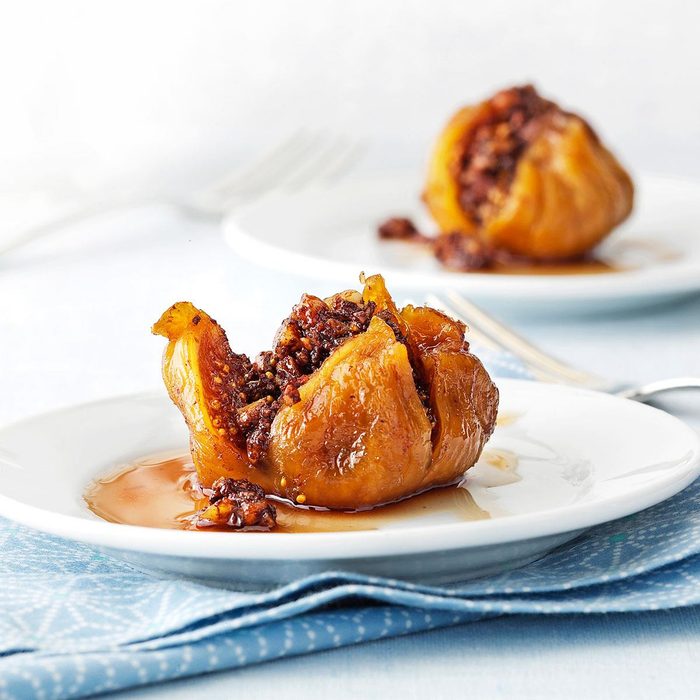
Double-Nut Stuffed FigsWe have a family member that has diabetes, so dessert can get tricky. These sweet, nutritious stuffed figs keep us all happy. —Bob Bailey, Columbus, Ohio
It can be hard to find grain-free Passover recipes for dessert, so it's the perfect opportunity to keep things simple and feature fruit instead of cakes. We like using dried Calimyrna figs here because their large size makes them well-suited for stuffing with the cocoa and nut filling. These Passover desserts will end your meal on a sweet note.
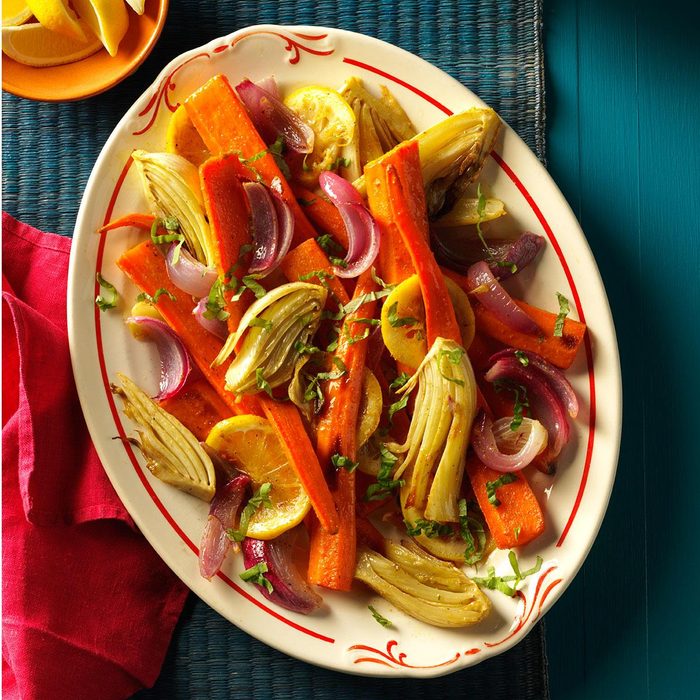
Roasted Carrots & FennelWhether you serve roasted fennel and carrots alongside a roast, fish or grain dish, their rich flavors and tender texture are sure to impress!
Fennel makes a fantastic addition to Passover dinner because it pairs well with any of the popular main dishes, whether that's beef, chicken, salmon or lamb. The bulb's natural anise flavor softens and mellows as it cooks, taking on a sweet edge that pairs really well with roasted carrots.
Mediterranean Mashed PotatoesIt's hard for our family to imagine eating mashed potatoes any other way but this. It tastes great on its own or drizzled with tahini sauce. —Nikki Haddad, Germantown, Maryland
Most mashed potato recipes are rich with dairy, so they aren't the best choice for a meat-heavy Seder meal. In this recipe, we use olive oil and lemon juice instead. The oil and citrus dresses the starchy potatoes with the perfect amount of fat and acid to create a creamy consistency without the need for milk.

Lemony Parsley Baked CodThe trick to avoid overcooking a good piece of fish is to cook it at a high temperature for a short amount of time. Do that and the fish stays moist and tender. —Sherry Day, Pinckney, Michigan
Fish is considered kosher if it has both fins and scales, making cod a great choice when looking for Passover recipes. Cod is a very lean fish, so it doesn't have a lot of fat to protect it from drying out if it overcooks. We like cooking it at a high temperature in this recipe to keep the fish juicy and moist.

Jeweled Endive SaladEvery Christmas, friends have a huge potluck party. I wanted to bring something unique, so I topped off endive and watercress with jewel-toned pomegranate seeds. —Alysha Braun, St. Catharines, Ontario
Jewel-toned pomegranate seeds make this salad shine visually, but it's the combination of watercress and endive that make it a star. The endives are crisp and bitter while the watercress brings a sharp peppery note, coming together to create a burst of flavor in every bite.

Herb-Roasted Salmon FilletsLooking for a healthy and delicious dinner that is truly ready in less than 30 minutes? Herb salmon should be your go-to meal for any busy weeknight, but it is elegant enough for guests. An herb and garlic olive oil drizzled over the top before roasting adds savory flavor.
Roast salmon is simple to make, but these herb-topped fillets look elegant for a holiday dinner. The fish cooks quickly in a high-temperature oven, so you'll want to be sure your Passover side dishes are almost ready to serve when you start cooking the salmon.
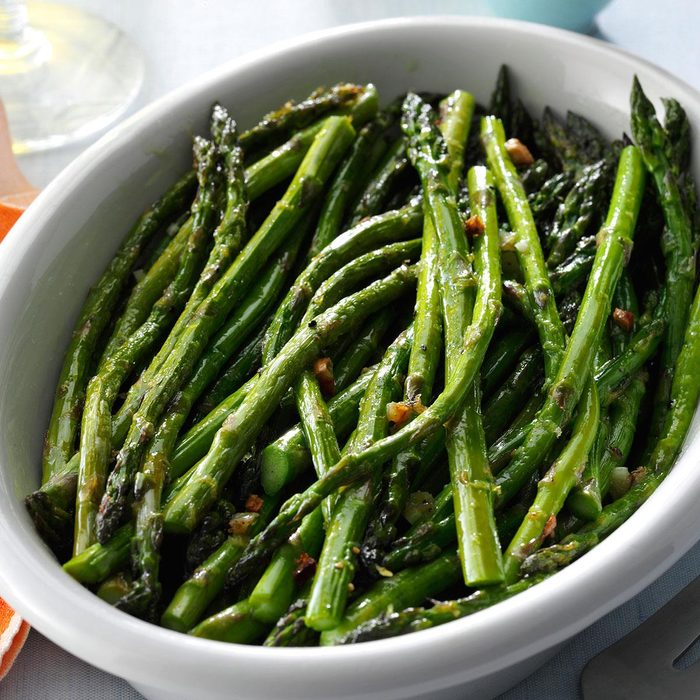
Lemon-Roasted AsparagusWhen it comes to fixing asparagus, I think it's hard to go wrong. The springy flavors in this easy lemon asparagus recipe burst with every bite. —Jenn Tidwell, Fair Oaks, California
Spring asparagus is so flavorful that it doesn't require a lot of seasoning to taste great. Toss it with a little grated lemon zest, garlic, salt and pepper, and this vegetable side dish will pair perfectly with any main you choose to serve at Passover Seder.

Sheet-Pan Chicken and VegetablesOur sheet-pan chicken and veggies recipe features herby chicken thighs, roasted red potatoes and spinach in one no-muss, no-fuss dish. The best part: Cleanup is a breeze!
If you're running short on time, make the main dish and vegetable sides on a single sheet pan. You can use bone-in thighs, chicken quarters, bone-in breasts or a whole cut-up chicken to make this dish. We recommend using chicken on the bone, though, as it turns out juicier than boneless, skinless cuts.
CharosetThis easy charoset recipe, a sweet combination of apples and walnuts, is a must-have at every Passover table.
This fruit-and-nut blend, which has a spot on the Seder plate, livens up a piece of matzo, though the specific ingredients in charoset varies on Passover tables around the world. This recipe is made with a chunky blend of apples and walnuts that simmer in wine and cinnamon to create a homey, warming bite.
Mediterranean Rack of LambLearn how to make a perfect rack of lamb with this comprehensive guide and step-by-step instructions.
The tradition of eating lamb on Passover ended in 70 CE with the destruction of the Temple in Jerusalem, and some Jews don't find it appropriate to serve lamb for Passover dinner. Others deem it acceptable if the lamb is roasted in a pan with liquid. Depending on your family's customs and interpretations of the rules, this bread crumb-free rack of lamb could be perfect as your dinner centerpiece.
Potato KugelCrisp and golden on the outside and creamy on the inside, potato kugel is the Jewish casserole you'll want to try immediately.
Noodle kugel isn't a fit for Passover because the noodles are chametz, but potato kugel is a perfect addition to the holiday table. This potato kugel recipe uses Russet potatoes, which become soft inside but crisp up to perfection on the top layer.
Chocolate-Covered MatzoChocolate-covered matzo is layered with toffee, melted chocolate and a sprinkle of sea salt for a classic Passover dessert. No Passover Seder is complete without it!
If you've never had chocolate-covered matzo, you're about to fall in love. It tastes similar to chocolate-covered pretzels, with a sweet-and-salty vibe and a perfectly crisp bite. We recommend using unsalted matzo in this recipe, which allows you to control the exact amount of salt.

Matzo BreiMatzo brei, or eggs fried with matzo, is a less-well-known but still classic Passover dish that you'll want to have for breakfast all year long.
This eggy dish is traditionally served for Passover breakfast or brunch. You can make the matzo brei sweet or savory: For a sweet dish, add cinnamon and sugar to the egg mixture and serve it with applesauce or jam. For a more savory spin, add onions, garlic and peppers to the egg and top the matzo brei with green onions and sour cream.

Passover MeatballsThese moist and slightly sweet Passover meatballs are popular with family and friends during the spring holiday season. They're bound to become a tradition at your house.—Julie Sollinger, Chicago, Illinois
Skip the breadcrumbs and use matzo meal to create Passover-friendly meatballs. Be sure to purchase kosher ground beef if you're making a kosher meal.
Onion KugelSliced eggplant, diced green pepper or shredded cabbage can be used in place of onions for this onion kugel recipe. Easy and traditional, this dish resembles a delicious souffle. —Taste of Home Test Kitchen, Milwaukee, Wisconsin
Potatoes aren't the only noodle-free version of kugel! This recipe is similar to a souffle, where the eggs are separated and the whites are beaten until stiff peaks form. That causes the kugel to puff up as it bakes, so the dish looks impressive and tastes light and airy.

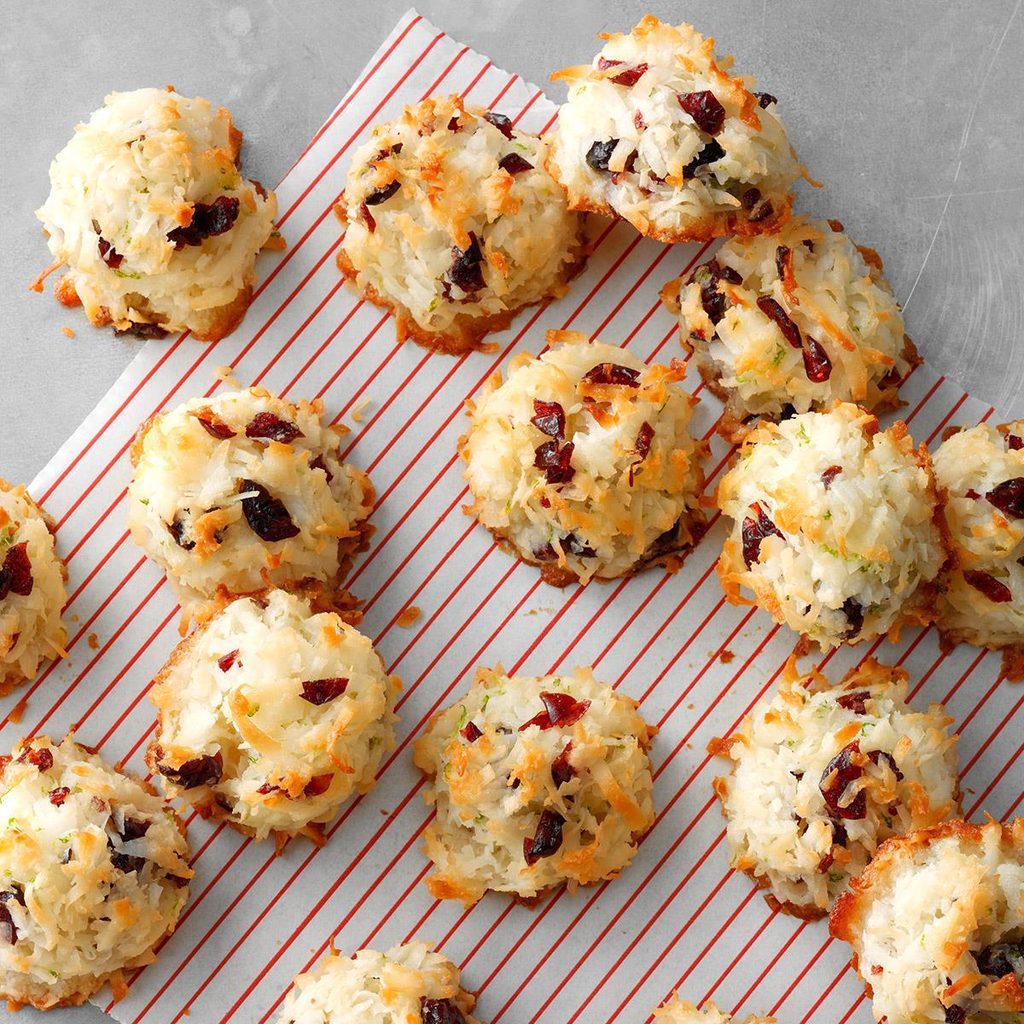
Cranberry Lime MacaroonsIt wouldn’t be the holidays for my family and friends if I didn’t make these chewy lime-flavored macaroons. I usually make several batches a week during the season..—Alisa Costa, Chatham, New York
This sweet treat is the perfect Passover recipe to end a fantastic meal. The macaroons are chewy and light, and the cranberries add color and sweet flavor. Once cooled, you can freeze these macaroons in an airtight container for later. Just let them come to room temp on the counter before serving.